
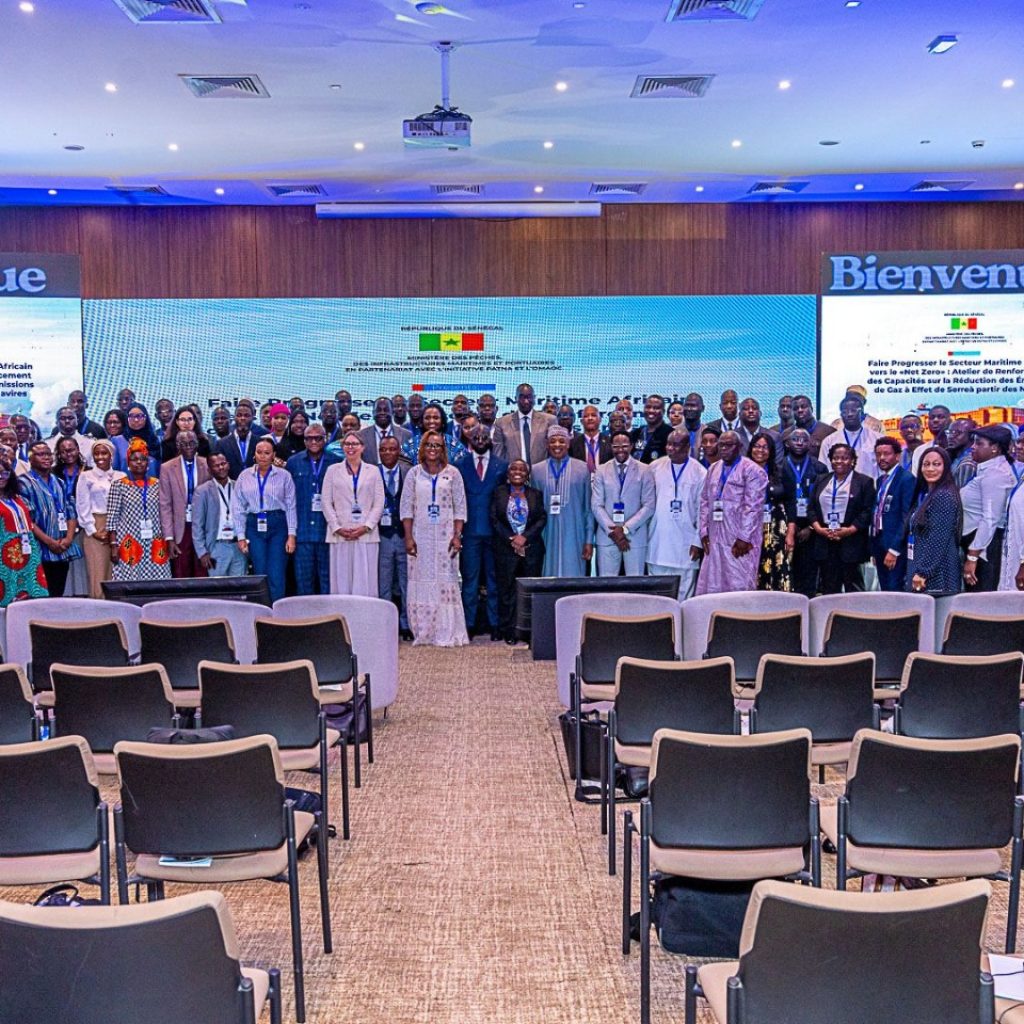
Negotiator Lamine Samake and Fred Kung’u represented the AGNES at the Training and Awareness Workshop on Reducing GHG Emissions from Ships, held in Dakar, which brought Africa’s maritime climate ambitions into sharp focus. Organized by the PATNA Initiative in collaboration with the United Nations Foundation (UNF), the workshop convened a diverse group of stakeholders to discuss the continent’s role in the decarbonization of maritime transport under the International Maritime Organization (IMO) Net-zero framework. Participants included policymakers, negotiators, port and maritime authorities, ship owners’ associations, regional maritime blocs such as MOWCA and MOESNA, captains, academics, maritime lawyers, seafarers, and media.
Climate Diplomacy Skills for Maritime Negotiations

During the second day of the workshop, Lamine Samaké, a seasoned UNFCCC negotiator from Senegal, representing the AGNES, delivered a compelling presentation in French on climate diplomacy techniques. He outlined the essential skills, negotiation art, protocols, and communication tactics needed for African negotiators to defend and position the continent’s priorities in global climate talks.
Drawing on lessons from the UNFCCC process, Lamine stressed that these skills are equally applicable in IMO maritime negotiations. He emphasized the strategic importance of Africa negotiating as a bloc within the IMO, a critical approach in the current global maritime climate context.
Capacity Building for Maritime Climate Action
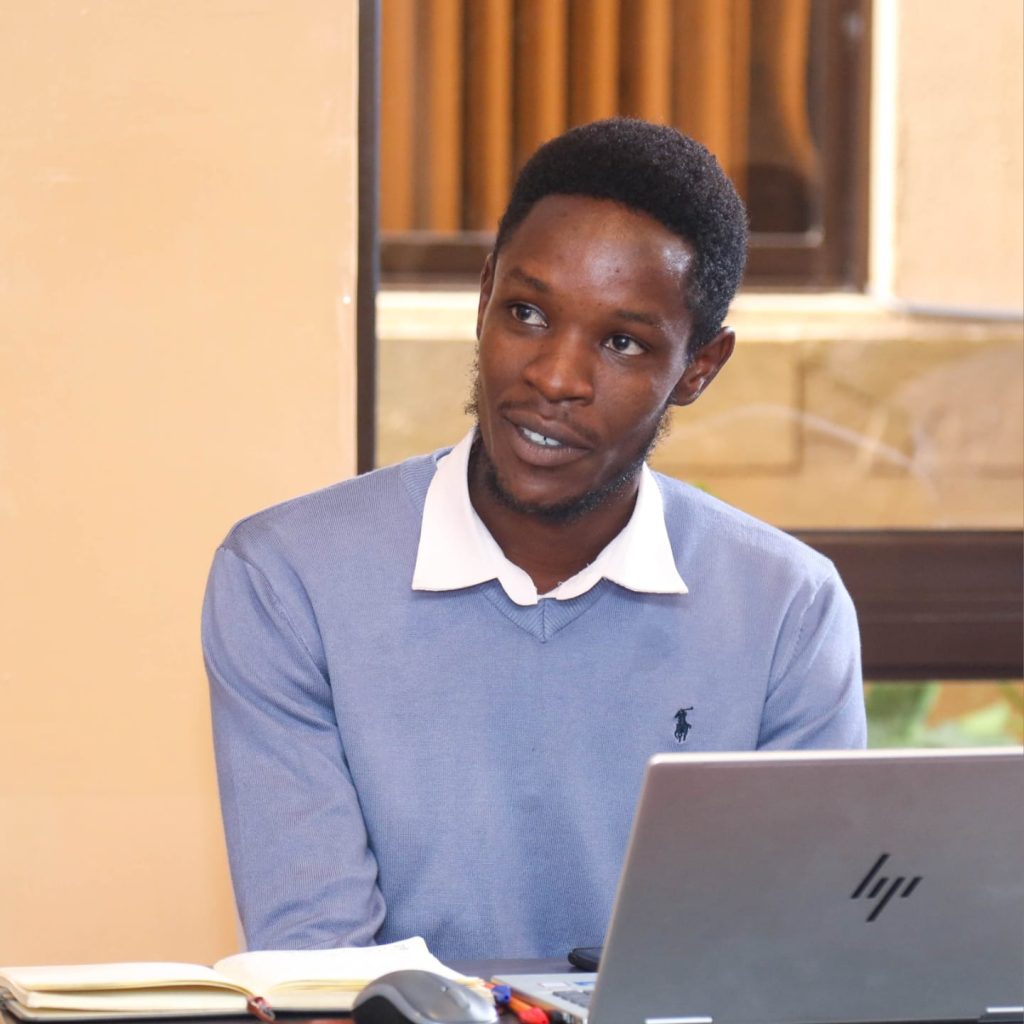
A recurring theme throughout the workshop was the urgent need for Africa to scale up capacity beyond negotiation skills. Key areas identified included:
- Developing training programmes for maritime climate negotiators.
- Enhancing seafarer skills for low-emission shipping operations.
- Improving port operations and resilience measures.
- Strengthening research, innovation, and proposal development to access climate finance to support maritime and port resilience.
- Building green hinterland trade corridors, particularly for land-linked African countries.
Pathways and Recommendations for Africa’s Maritime Resilience
Workshop outcomes included steps to advance Africa’s maritime climate leadership:
- Need to recognize the critical role of African shipowners in emissions reduction, as well as the importance of Africa’s meaningful participation in IMO negotiations to ensure a just and inclusive transition for the continent.
- Strengthen African Union engagement in maritime climate governance.
- Create long-term strategies for aligning maritime decarbonisation with sustainable development priorities.
- Capacity building in not only climate negotiations but also upskilling seafarer skills.
A United and Prepared Africa
The Dakar workshop confirmed that a prepared, united, and proactive Africa can play a decisive role in shaping maritime decarbonisation. By combining strong negotiation capacity, operational readiness, and regional unity, Africa can ensure that the benefits and financing from global shipping’s net-zero transition directly support the continent’s resilience and sustainable development goals.