

Mozambique is taking decisive steps to enhance its participation in the global climate discourse by equipping its national negotiators with the knowledge and tools to effectively engage in the UNFCCC process. Between 28–30 October 2025, the United Nations Development Programme (UNDP) Mozambique and Foreign, Commonwealth & Development Office (FCDO) in Mozambique, in partnership with the Government of Mozambique, and the UNFCCC Regional Collaboration Centre East and Southern Africa (RCC EASA) with technical support from the African Group of Negotiators Experts Support (AGNES) facilitated a training of the newly established National Negotiating Team ahead of COP 30, to strengthen the technical capacity of the Government of Mozambique on climate change negotiations and the UNFCCC processes.
Building National Capacity for Global Representation
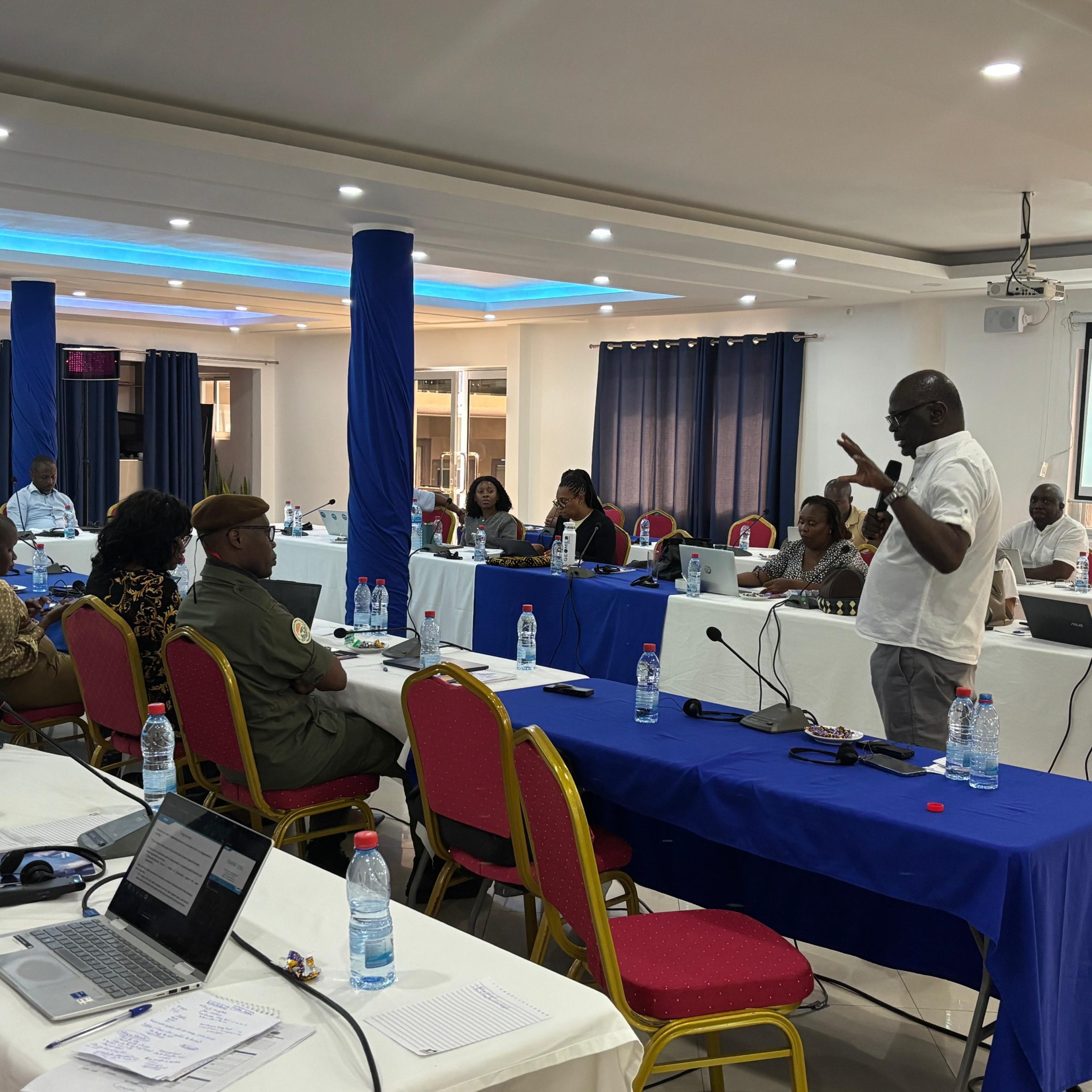
Mozambique ranks among the most climate-vulnerable countries in the world. From devastating cyclones to recurring floods and droughts, climate impacts continue to reverse development gains and deepen socio-economic vulnerabilities. Recognizing the importance of strong representation in the global climate process, the Government has established a national climate negotiations structure with designated leads across key thematic workstreams.
The training was designed to: Enhance the technical understanding of the nationally prioritized negotiation thematic areas namely, mitigation, just transition, Article 6, adaptation, climate finance, transparency and loss and damage, including their evolution under the UNFCCC, key milestones, and decisions; Strengthen their knowledge in navigating the UNFCCC processes and architecture, including the legal and institutional framework; Enhance negotiation and diplomacy skills to enable the national delegation to effectively strategize, communicate, and advocate for Mozambique’s priorities within the multilateral negotiation environment and to Improve coordination and coherence among Mozambique’s designated leads for the different thematic negotiation workstreams.
Interactive Learning and Practical Simulations
The training adopted a participatory and interactive approach designed to impart knowledge and provide space for reflection, peer learning, and practical application. This approach ensured that the participants were not only recipients of knowledge but active contributors who shared feedback and experiences drawn from their background and experiences in international climate negotiations. The AGNES led technical sessions on the UNFCCC architecture, draft rules of procedure, and negotiation strategies and tactics emphasizing the importance of consensus-building, communication, and procedural literacy in the negotiation rooms.
Participants also engaged in in-depth discussions on Mozambique’s country positions across mitigation, adaptation, climate finance, Article 6, transparency, loss and damage, and just transition. This session focused on strengthening the negotiators’ capacity to draft clear and well-structured country positions. A key question emerged from the discussion on whether there exists a structured or step-by-step criterion for developing a country position. This question led to a rich discussion on the importance of every negotiator having a deep understanding of national priorities and being able to translate them effectively into negotiation objectives and interventions at the global level.
Through guided discussions, participants were introduced to the key elements of an effective country position, which include:
- Defining the desired outcome: Clearly stating what Mozambique would like to see reflected in the negotiation text or decision under each agenda item;
- Propose a solution or approach: Suggesting how the issue should be addressed including possible language or framing in the decision text; and
- Present areas of support: Identify specific areas such as capacity building, access to finance, or investment planning that are needed to facilitate the effective implementation of the negotiated outcomes
A major highlight of the workshop was the simulation exercise. Participants engaged in a hands-on simulation exercise to agree on a New Collective Quantified Goal (NCQG) on climate finance. The exercise allowed participants to step in the role of different negotiation groups and test various negotiation strategies. Each group applied the concepts learned during the previous sessions to negotiate. The simulation not only strengthened understanding of procedural and strategic elements of negotiation but also allowed participants to sharpen their technical knowledge and soft skills such as communication, consensus-building, and alliance formation which are essential skills for effective climate diplomacy.
Digital Tools Supporting Negotiators
During the training, AGNES presented its AI-powered Negotiator Support Tool, a Large Language Model (LLM) trained on the UNFCCC corpus. The tool is designed to help negotiators quickly summarize decisions, retrieve past outcomes, and stay updated on agenda items across negotiation streams. This innovation responds to the growing demand for digital support tools (DSTs) that enhance efficiency, access to information, and technical precision during negotiations.
Participants welcomed the demonstration, noting its potential to support daily preparation, internal coordination, and post-COP follow-up – all essential for ensuring continuity and institutional memory in Mozambique’s negotiation process.
Towards a More Coherent and Confident Delegation
By the close of the workshop, participants had gained deeper technical understanding of the UNFCCC rules of procedure, developed a plan to refine their country positions, and enhanced their ability to communicate, negotiate, and strategize in international settings. The exercise also strengthened internal coordination among Mozambique’s negotiation thematic leads and reinforced the importance of preparation, alliance-building, and clarity of position ahead of COP30.