
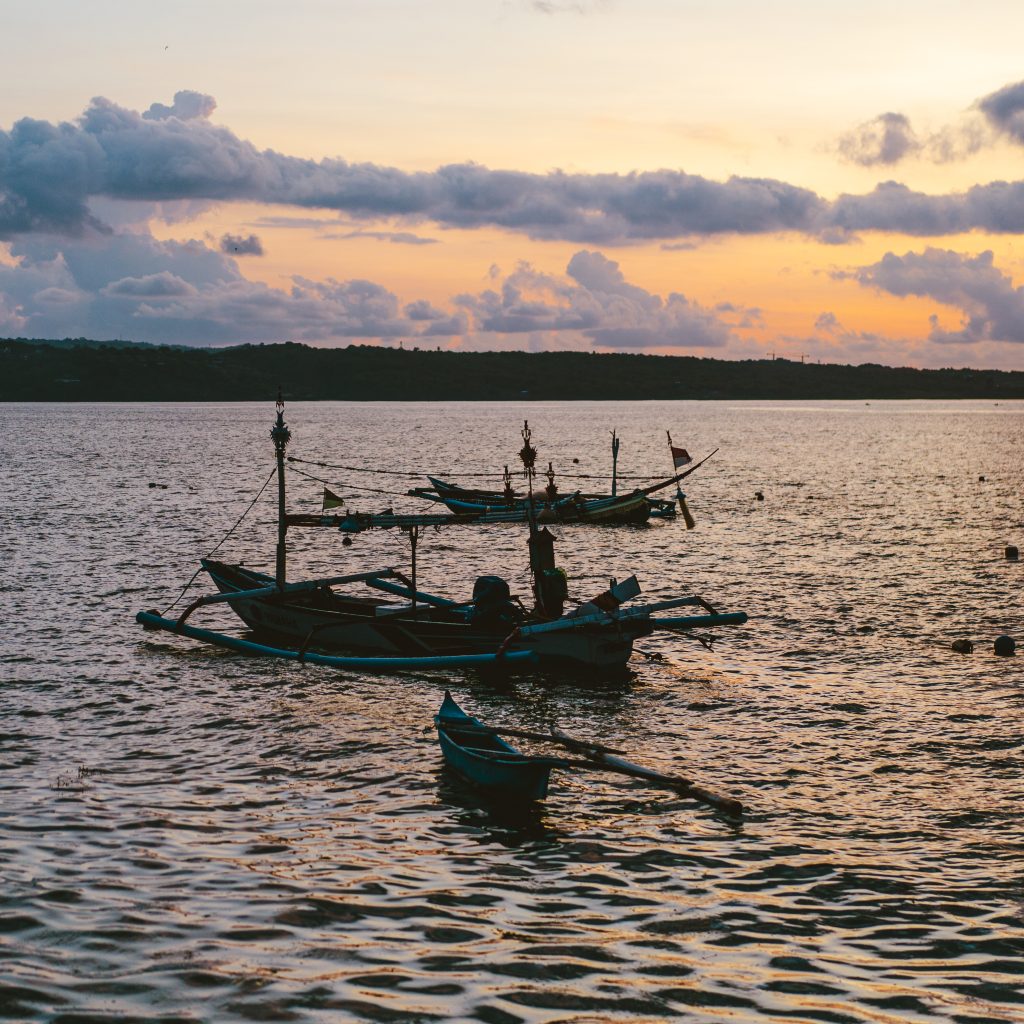
Coastal small-scale fisheries (SSF) are a cornerstone of global food systems and coastal cultures. Globally, small-scale fisheries contribute about 40 percent of capture fish production and support most people working in capture fisheries. Yet their full value is often undercounted because the sector remains informal, household-based, and deeply embedded in local economies. Across Africa’s coastal communities, small-scale fisheries are a source of livelihood, food and nutrition, culture, and local identity. Coastal Small-scale fisheries are generally understood to be traditional fisheries carried out by fishing households using relatively small amounts of capital and energy, small vessels, and making short trips close to shore, mainly for local consumption.
In Tanzania, national estimates indicate that at least 4.5 million people depend partly on small-scale fisheries, further fish from SSF contributes to the nutrition of more than 34.8 million people. However, Tanzania’s coastal small-scale fisheries are significantly vulnerable to the rising impacts of climate change.
Climate Stressors Affecting Small‑Scale Coastal Fisheries in Tanzania
Climate change is no longer a distant threat, and its impacts are already disrupting the small-scale coastal fisheries system from the ocean to the market. Coastal Tanzania is becoming warmer and wetter, rainfall has become more variable and intense, while sea-level rise of about 6 mm per year is contributing to erosion, saline intrusion, wetland loss, and greater exposure to storm surges.
For marine artisanal fishers, climate change has multiplied their problems, as fish have become scarce, and are found deeper in ocean. Warmer seas, coral bleaching, ocean acidification, changing monsoon patterns, and extreme weather are altering where fish are found, fishing time, and gradually affecting how fisherfolks operate. As fish move to deeper or cooler waters, small-scale fishers using small vessels and basic gear are at greater risk as they may have to travel farther into the sea to secure normal size catches, consequently spending more on fuel. Eventually, fewer safe fishing days quickly translate into reduced household income.
The impacts of climate change extend beyond fishing and harvesting. Higher temperatures, heavy rains, flooding, poor roads, and limited cold storage increase post-harvest losses and reduce fish quality. This especially affects women more as they are central to processing, drying, smoking, salting, marketing, seaweed farming, and other shore-based activities. In Zanzibar, seasonal rains can create major post-harvest challenges when small pelagic fish cannot be dried effectively, and transport from landing sites is delayed. Climate change therefore affects the whole fisheries value chain, not only the fisher at sea.
Adaptation Options and Practices to Strengthen Resilience
Building resilience requires a shift from treating small-scale fisheries as a marginal sector to recognizing them as a strategic part of climate adaptation, food security, and blue economy transformation. The United Republic of Tanzania already has important foundations, including fisheries laws, policies, research institutions, organized Beach Management Units, marine conservation areas, and strong local knowledge systems. Fishers and coastal communities have long used Indigenous and traditional knowledge to read winds, tides, currents, seasons, fish behavior, and sea conditions. As climate variability and vulnerability increase, these systems should be supported by reliable scientific data, forecasts, early warning systems, and participatory planning.
Strengthening Climate-Resilient Small-Scale Coastal Fisheries Management in Tanzania (Mainland and Zanzibar)
Building on this need, the AGNES and partners are implementing the project “An Inclusive Multistakeholder Evidence-Based Approach towards Climate-Resilient Fisheries Management in Small-Scale Fishing Communities along the Coast of Tanzania.”
The project, supported by the Blue Convergence Fund, seeks to strengthen the capacity of national and regional fisheries managers and decision-makers to integrate scientific evidence with indigenous and traditional knowledge for climate resilient fisheries management.
The project recognizes that Tanzania already has a wealth of research, policy frameworks, local knowledge, and community experience. However, much of this evidence remains underutilized in shaping fisheries management and policy decisions. By bringing together scientists, policymakers, fisheries managers, Beach Management Units, local fisherfolk, women in post-harvest activities, coastal communities, civil society actors, and other relevant institutions, the project will help bridge the gap between science, policy, and practice.