
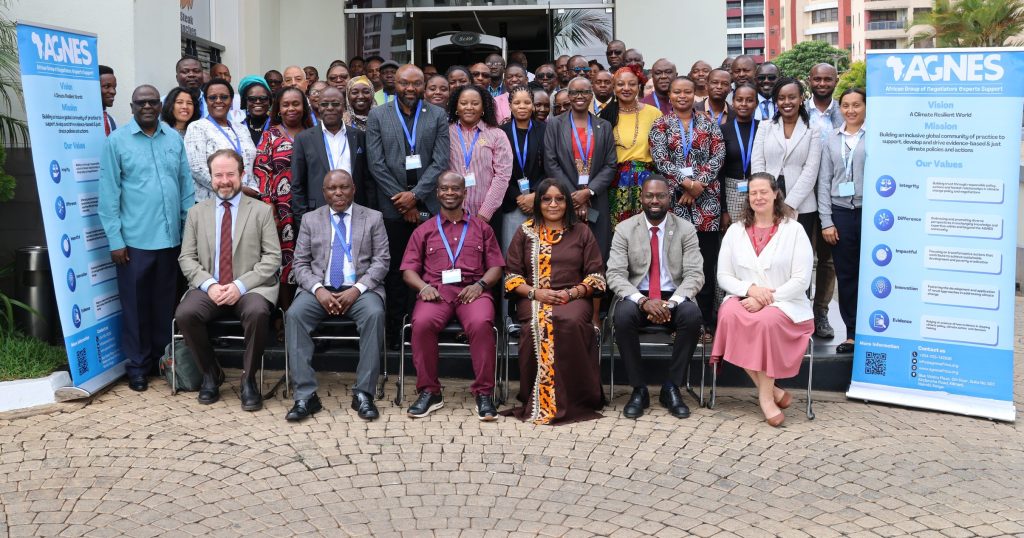
As preparations for the 64th Sessions of the UNFCCC Subsidiary Bodies gather pace, the Pre-SB64 AGNES Strategy Meeting provided an important platform for African negotiators and experts to align priorities, reflect on the COP 30 outcomes, and strengthen strategic engagement ahead of SB64. Convened by the AGNES in collaboration with the Government of Kenya, International Livestock Research Institute (ILRI), The Alliance of Bioversity International and CIAT, CGIAR Gender Equality and Inclusion, AUDA-NEPAD and the African Group of Negotiators on Climate Change (AGN), on 16–17 April 2026, the meeting brought together negotiators, experts, researchers, and civil society actors around issues that are central to Africa’s climate priorities.
Why the Pre-SB64 AGNES Strategy Meeting Mattered
Agriculture remains a central issue for Africa for its role as a source of livelihoods, food security, employment, and economic development. As discussions under the Sharm el-Sheikh Joint Work on Implementation of Climate Action on Agriculture and Food Security move toward a critical phase, the meeting provided a timely platform for African negotiators and experts to reflect on progress, identify priority issues, and sharpen the continent’s strategic focus ahead of SB64. At the same time, the meeting created space to discuss other thematic targets, including gender, just transition, Article 6, and adaptation. This broader framing helped strengthen a more coordinated African approach, with greater attention to implementation and the practical outcomes these processes must deliver for the continent.
From Commitments to Implementation
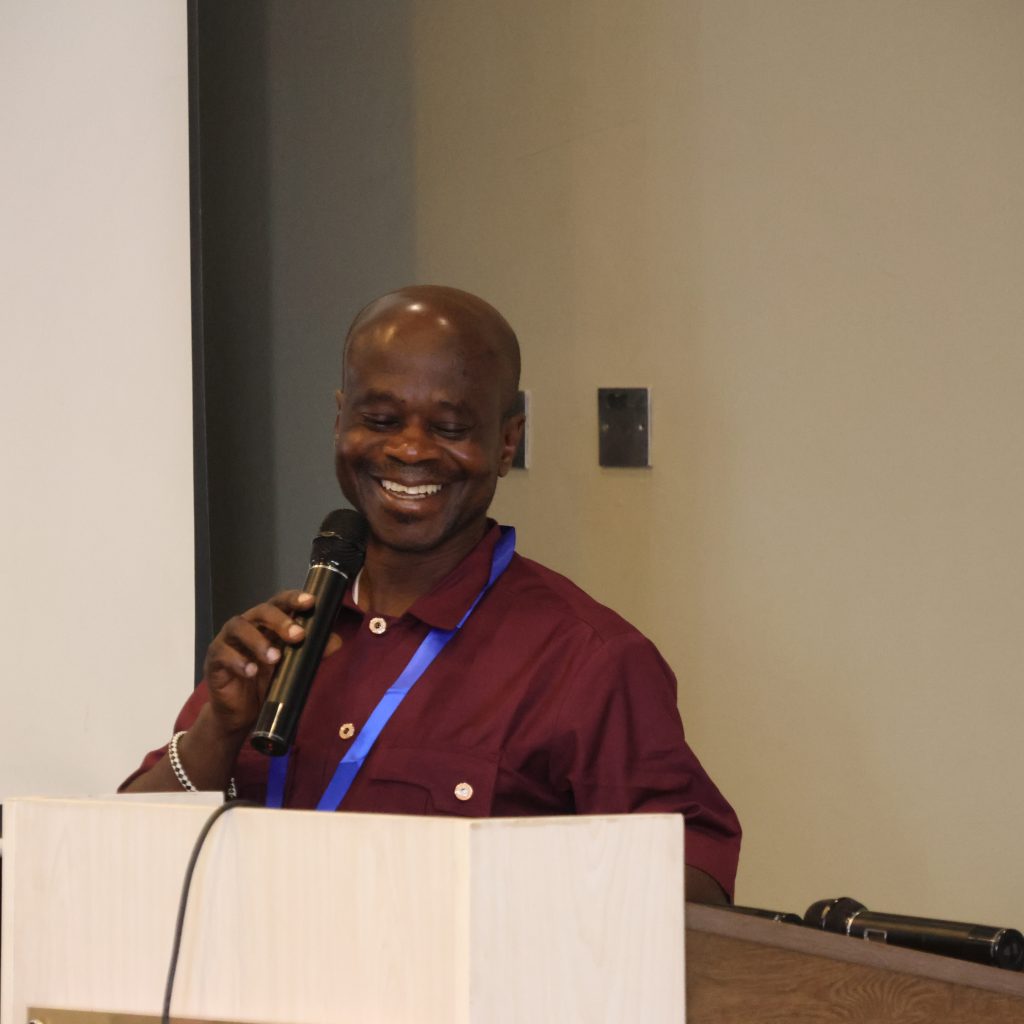
From the opening session, the message coming through was that Africa’s negotiation strategy must increasingly connect political ambition with practical delivery. The AGN Chair, Nana Dr. Antwi-Boasiako Amoah, emphasized the need to translate commitments into interventions that can be financed to make real impact for African societies. He called for African positions that strengthen implementation, monitoring, and impact across thematic areas, stressing that negotiations do not work in silos and that Africa should adopt a stronger and more coordinated strategy.
Agriculture and Food Security at a Turning Point
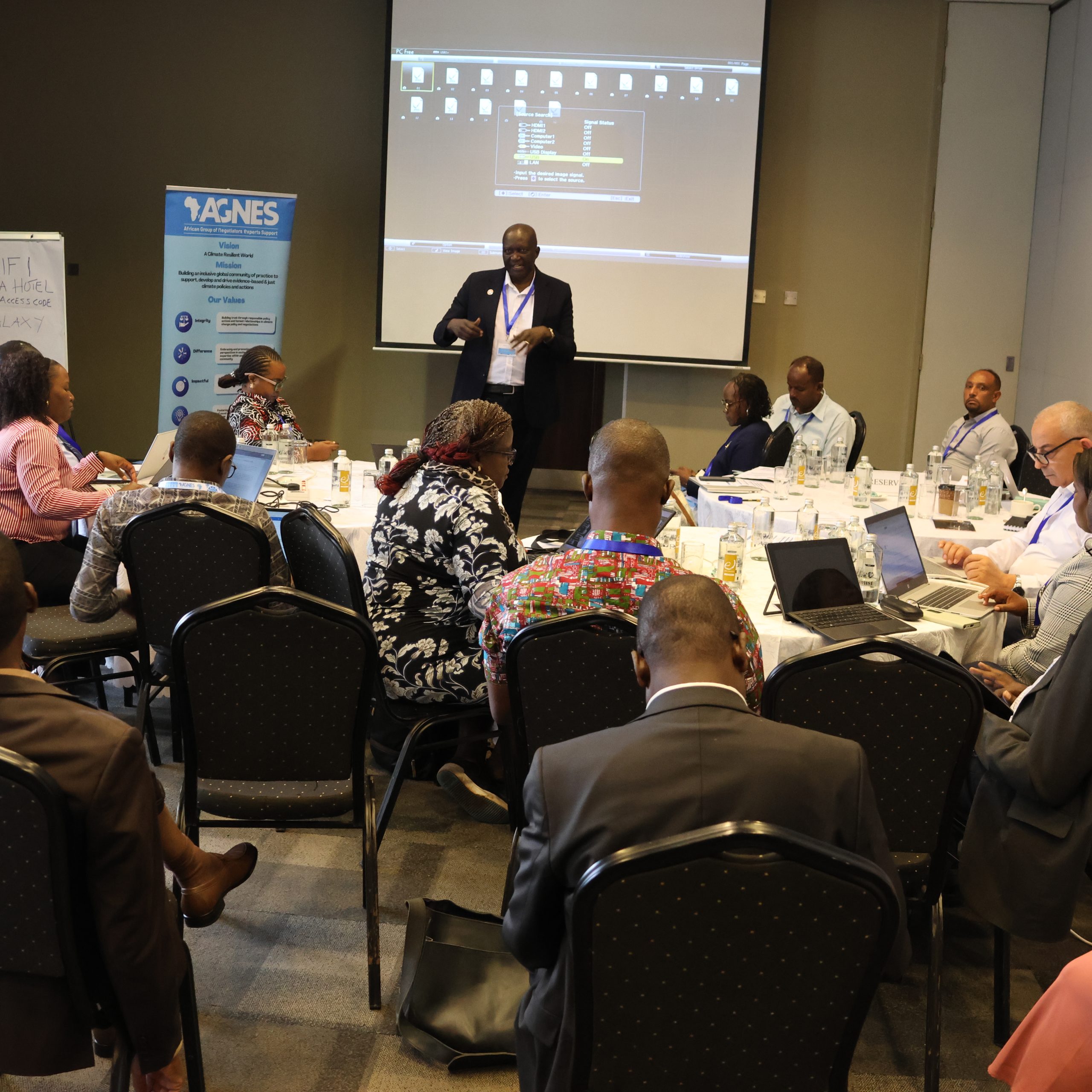
Agriculture and food security remained central to the Pre-SB64 AGNES Strategy Meeting, reflecting its importance to Africa’s socioeconomic context and climate resilience. The discussions came at an important stage in the negotiations under the Sharm el-Sheikh Joint Work on Implementation of Climate Action on Agriculture and Food Security (SSJWA), which continues to place emphasis on implementation. For Africa, this process carries weight because of the continent’s high vulnerability to climate impacts on the agriculture sector.
The agriculture breakout session focused on the current state of negotiations and the issues requiring closer attention ahead of SB64. While progress was made at SB63, several key matters remained unresolved and were carried forward for further consideration. In this context, participants reflected on the need for stronger coordination, greater attention to means of implementation, and improvements to the online portal as a tool for coordination, knowledge sharing, and capacity building.
A clear message from the discussions was that Africa must continue advancing an agriculture agenda that is practical and implementation oriented. This includes addressing persistent finance and investment gaps, tackling barriers to accessing support, and ensuring that climate action in agriculture responds to the realities of those most affected, including small scale farmers, Indigenous Peoples, women, youth, and local communities. The discussions also pointed to the need to refine Africa’s position ahead of SB64, revisit key tools and processes under the agriculture track, and think more strategically about the long-term direction of the agriculture agenda under the UNFCCC.
Gender Negotiations Enter a New Phase
Discussions under the gender stream focused on the implications of the Belém Gender Action Plan (2026–2034) for African negotiators ahead of SB64. Adopted at COP30, the plan establishes a nine year framework for gender responsive climate action and is structured around 27 activities and 98 deliverables across five priority areas: capacity building, knowledge management and communication; gender balance, participation and women’s leadership; coherence; gender responsive implementation and means of implementation, including finance and technology; and monitoring, reporting and evaluation.
The discussions also reflected on Africa’s engagement during COP30. The AGN emphasized that the new plan should reflect African realities, particularly the disproportionate impacts of climate change on women and girls, while giving attention to inclusive representation, gender responsive climate finance, retention of the gender agenda under the Convention, and the need for a framework that is practical, adequately financed, and implementable. The session further noted that gender negotiations at COP30 were shaped by divergent views on terminology, debates over whether the agenda should sit under the Convention or CMA, and wider concerns around financing and implementation.
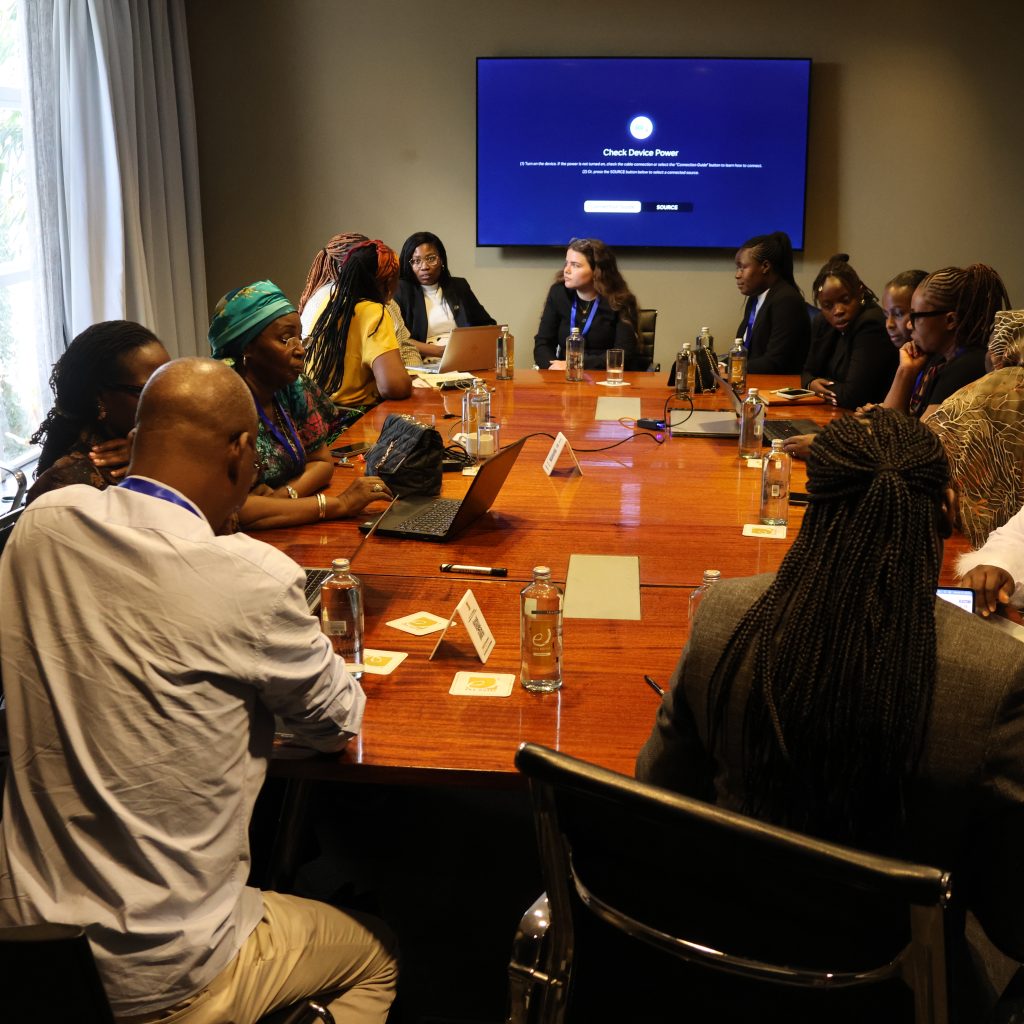
Looking ahead to SB64, attention is expected to turn to the mandated events under the gender agenda, including dialogue on gender and age disaggregated data and gender analysis, engagement with financial mechanisms and multilateral funds on gender responsive climate finance, and an in-session workshop on strengthening the role of national gender and climate change focal points. A major limitation of the outcome was that it did not secure dedicated funding despite the strong calls from the developing countries for clear accountability and support. As a result, while the Belem gender Action Plan represents a major policy gain, it’s effectiveness will depend on national capacity, political commitment, access to finance and sustained follow- through.
Adaptation, GGA, and the Push for Coherence
Discussions under the Adaptation negotiation workstream focused on recent developments under the Global Goal on Adaptation (GGA) and the issues likely to shape deliberations at SB64. The GGA process has entered a more operational phase following adoption of the Belém Adaptation Indicators at COP30. In this regard, attention is increasingly shifting from conceptual discussions towards testing, use, and integration of the indicators within national planning and reporting processes. Parties are encouraged to test the indicators through existing instruments such as Biennial Transparency Reports, National Adaptation Plans, adaptation communications, Nationally Determined Contributions, and national statistics systems, with a view to improving their practical application and informing future refinement.
The discussions highlighted that this next phase would require clearer metadata and methodologies as well as stronger national coordination, and technical capacity to report on the indicators. Participants also noted the importance of aligning the indicators with national priorities, mainstreaming gender equality and social inclusion, and linking the process to ongoing reporting frameworks at the regional level. On the Baku Adaptation Roadmap (BAR), discussions emphasized that the workshops should focus on the effectiveness of adaptation action, with particular attention to how progress is measured, how bottlenecks are identified, and how evidence can better inform national and regional adaptation responses.
Why Article 6 Featured Prominently
Apart from the three thematic areas, Article 6 featured in the discussions as an important area for implementation, particularly in relation to agriculture and food security. It was considered relevant for how countries and stakeholders can turn climate action into opportunity through cooperation and carbon finance. Discussions focused on issues of readiness, including legal and institutional frameworks, governance arrangements, and registries. They also raised concerns around transparency, fairness, standardization, and the need to guard against risks such as carbon colonisation. At the same time, the discussions recognized that Article 6 could create opportunities for both public and private sector participation, if countries put in place clear rules, safeguards, and protection of national interests.
A Wider Conversation on Just Transition
The discussions on just transition were shaped by the fact that the fifth dialogue under the UAE Just Transition Work Programme will focus on holistic approaches to food security, including agriculture and oceans. In the breakout session, participants emphasized that, for Africa, just transition in agriculture and food security cannot be framed only as a mitigation issue or only as an energy issue. It was discussed as a broader socio-economic question linked to food and nutrition, livelihoods, inclusion, market dynamics, land use, and agrifood systems. The discussions also highlighted key gaps, including the absence of a common understanding of how to track just transition and limited clarity on means of implementation for many African countries, while noting that trade and market interventions, including the African Continental Free Trade Area, may present both opportunities and barriers.
Conclusion
As preparations for SB64 continue, the discussions on just transition underscored the need for Africa’s priorities to remain firmly grounded in the realities of the continent. Across agriculture, gender, adaptation, Article 6, and just transition, the engagement helped sharpen key messages and identify areas requiring stronger coordination and clearer implementation of focus. The just transition discussions highlighted the importance of framing transition pathways in ways that respond to food security, livelihoods, inclusion, and broader development needs. In this sense, the meeting helped strengthen Africa’s strategic preparedness ahead of SB64 and reinforced the importance of entering the negotiations with clarity, coherence, and purpose.