
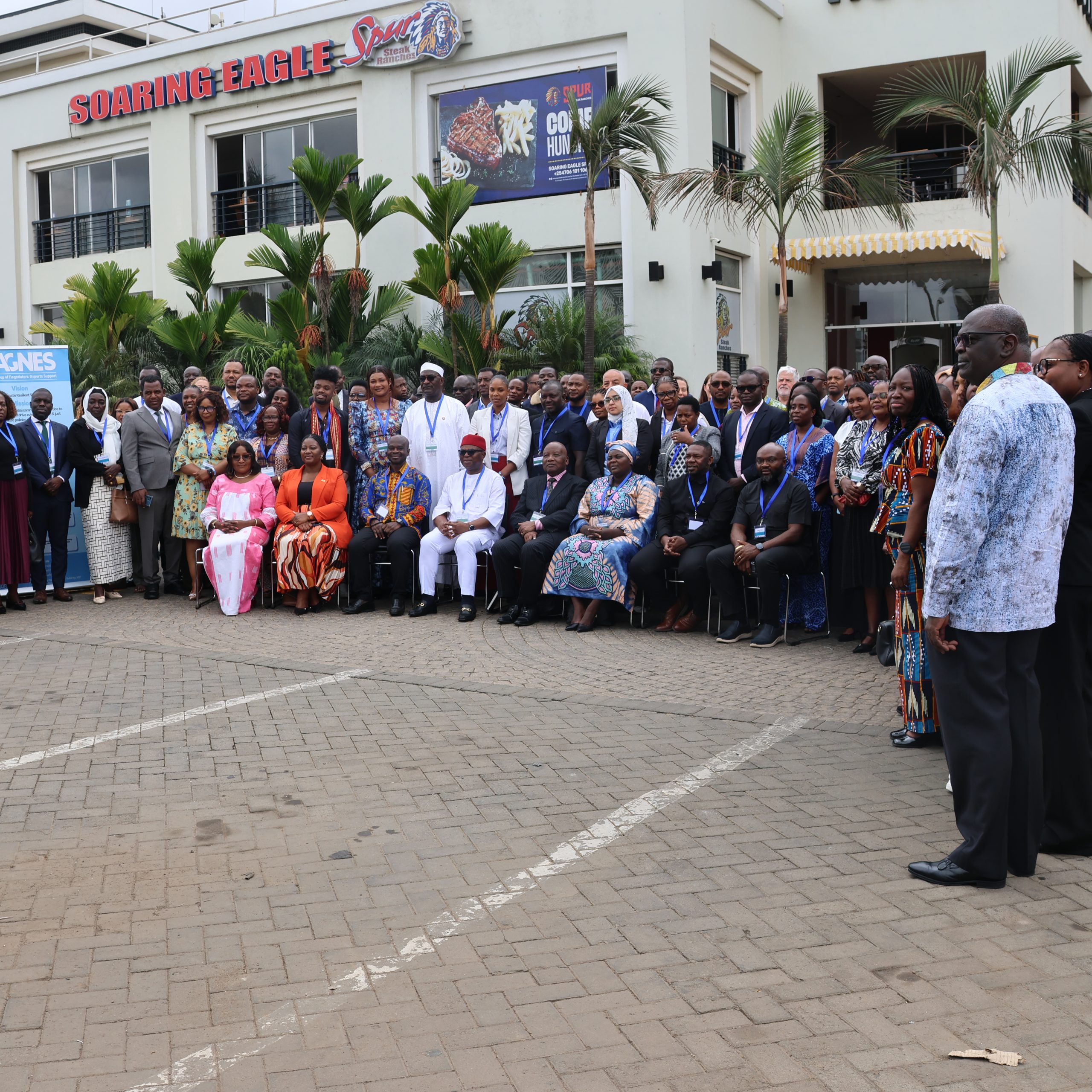
As preparations for COP31 advance, Africa’s engagement in the climate negotiations must be matched by an equally strong focus on implementation. Discussions ahead of SB65 and COP31 are carrying forward several unresolved issues from SB64, including the future of agriculture under the UNFCCC, implementation of the Global Goal on Adaptation, adaptation finance, the Belém Gender Action Plan and the place of oceans under the UNFCCC. For African countries, these discussions are closely tied to access to finance and technology, national circumstances, institutional capacity, reporting requirements and the ability to translate global decisions into action on the ground. During the PreCOP31 AGNES Strategy Meeting on 8th and 9th October 2026, negotiators and experts deliberated on this segments and issues in preparation for Turkiye.
Agriculture and Food Security: Implementation at the Centre
Agriculture remains central to Africa’s climate agenda because of its direct relationship with food security, livelihoods, and resilience. As the Sharm el-Sheikh Joint Work on Implementation of Climate Action on Agriculture and Food Security approaches the end of its mandate, attention is turning to what should follow and how future work can move more decisively towards implementation. A recurring concern is that the framing of agriculture under the UNFCCC should continue to protect the focus on agricultural production, adaptation, farmer livelihoods and food security, while recognizing that broader concepts such as agrifood systems are increasingly used in continental policy frameworks. Whatever terminology is ultimately applied, the central priority remains ensuring that climate action responds to national circumstances, improves access to finance and technology, and delivers practical benefits for farmers and frontline communities.
Adaptation Finance
The scale of Africa’s adaptation challenge continues to outpace the finance available to address it. There is a widening gap between adaptation needs in developing countries and international public finance, reinforcing the importance of moving beyond broad political commitments towards clearer delivery arrangements. For African countries, the quality of finance matters as much as its quantity: resources need to be predictable, accessible and structured in ways that do not deepen debt vulnerability. Transparency around what is pledged, approved and ultimately disbursed will also be essential if adaptation finance is to translate into measurable outcomes for vulnerable countries and communities.
Global Goal on Adaptation
The next phase of the Global Goal on Adaptation (GGA) will depend heavily on the testing, use and as appropriate integration of the indicators within existing reporting and planning processes. For African countries, this means aligning the BAI indicators with existing national indicators with questions being explored on How to strengthen adaptation metrics for GGA reporting, How to report effectively in the existing reporting processes and How to do so without imposing additional burden on already constrained national institutions. Continued country-level testing of indicators can provide practical lessons on methodologies, metadata and implementation challenges, while also helping ensure that future assessments of global adaptation progress are informed by what countries can measure and deliver.
Gender and Climate Action: Belem Gender Action Plan
Adopted at COP30, the Belém Gender Action Plan comprises 27 activities and 98 deliverables to be implemented between 2026 and 2034. SB64 marked the beginning of operationalization, with three principal engagements focusing on identified three principal priorities:
- Gender-responsive climate finance: Improve access to financing mechanisms, particularly the Green Climate Fund and Adaptation Fund, for national and locally led initiatives.
- Means of implementation: Strengthen financial, technical and capacity-building support to facilitate implementation of the Belém Gender Action Plan.
- Gender mainstreaming: Integrate gender across adaptation, mitigation, technology, Action for Climate Empowerment, just transition and climate finance.
At the national level, translating the Gender Action Plan into institutional arrangements, policies and practical interventions will require attention to coordination, finance, capacity development, inclusive participation and locally relevant implementation pathways.
Oceans and the Blue Economy: From Dialogue to Implementation
COP25 recognized the need to strengthen the understanding and actions on ocean and climate change, leading to the first ocean and climate change dialogue. There is need to move beyond dialogues, recognition of the ocean in decision texts towards clear, implementation-oriented commitments including integration of ocean-related mitigation and adaptation actions into national climate plans and reporting instruments, including NDCs, Biennial Transparency Reports (BTRs) and Adaptation Communications. For coastal and island communities in particular, stronger investment in ocean observation, developing locally owned project pipelines and practical implementation mechanisms will be critical to ensuring that ocean-climate commitments translate into improved livelihoods, resilience and sustainable maritime development.
Towards COP31
Across these areas, the direction is consistent: Africa’s priorities at COP31 cannot be separated from the question of implementation. Agriculture and food security need stronger delivery mechanisms; adaptation indicators must work within national systems; finance must reach the countries and communities that need it; gender commitments must translate into meaningful participation and resources; and ocean-climate action must move from dialogue to tangible outcomes.